
Payroll statement review
Check where each payroll export shows the regular rate, overtime hours, overtime rate, and annual totals.
Employer workflow
Keep consistent overtime records for covered, nonexempt employees. Document how you calculated the premium so you can answer year-end questions.
Not affiliated with the IRS, Treasury, Department of Labor, payroll providers, or tax software vendors. For educational and tracking purposes only.
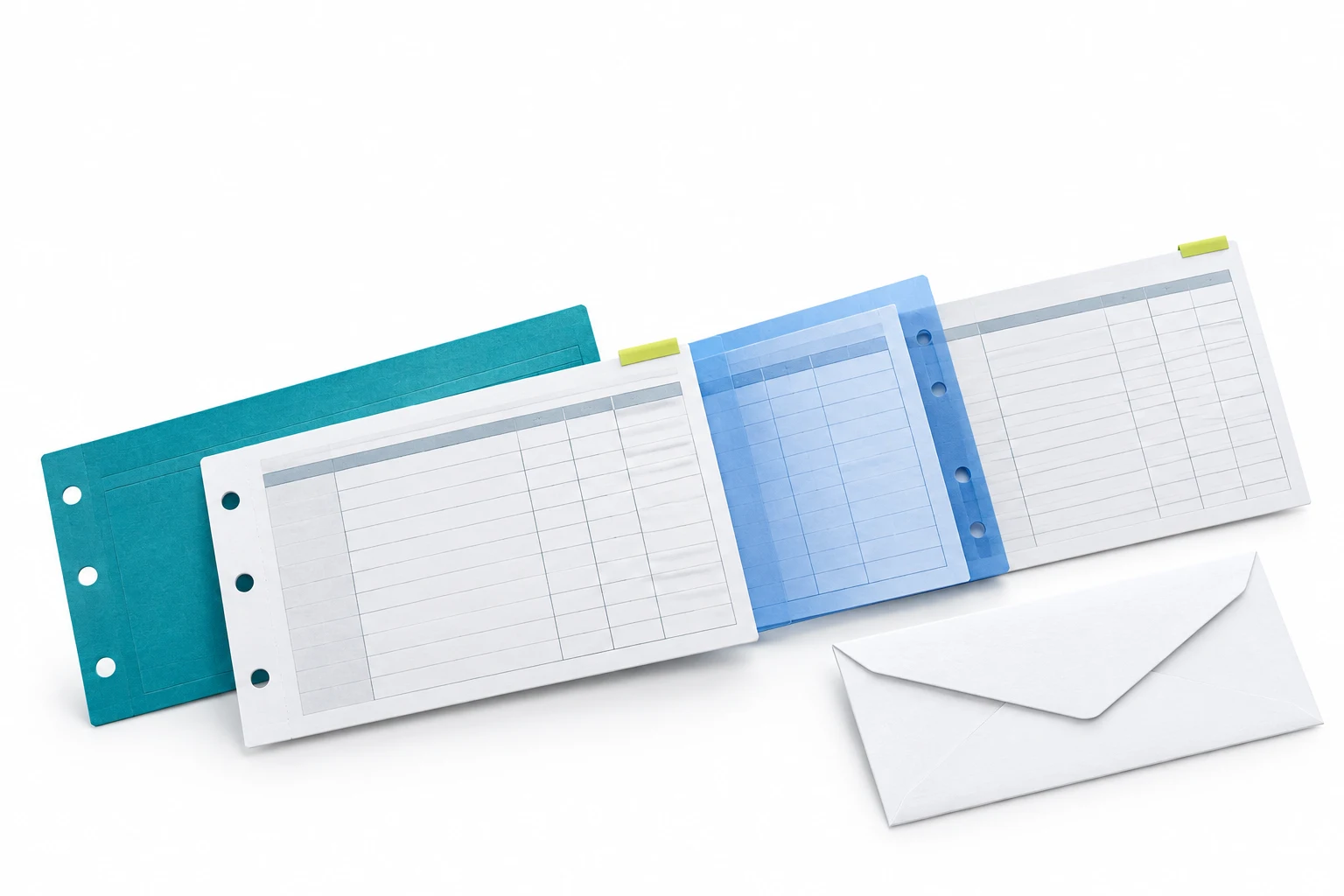
Check where each payroll export shows the regular rate, overtime hours, overtime rate, and annual totals.
Have the relevant records ready when employees ask about 2025 W-2 Box 14 notes, 2026 Box 12 code TT reporting, portal statements, or their qualified overtime amount.
Tell the employee's tax preparer which payroll figures you can confirm and which questions need further review.

Tell us which payroll provider you use, how many hourly employees you have, and the tax year. Describe the recordkeeping problem you need help with. Do not include employee payroll files.
Official sources
Source baseline checked 2026-09-08
Defines qualified overtime compensation, FLSA overtime eligibility, deduction limits, reporting rules, and taxpayer requirements.
View official sourceSummarizes the deduction cap, MAGI phase-out thresholds, Social Security number rule, and 2025 reporting note.
View official sourceProvides 2025 methods for individuals estimating qualified overtime compensation when separate reporting is not available.
View official sourceExplains 2026 Form W-2 reporting, including Box 12 code TT for qualified overtime compensation.
View official sourceExplains the FLSA overtime baseline for covered, nonexempt employees working over 40 hours in a workweek.
View official source